Reorder Existing Orders


Inclusive Easter Catering Menus for Everyone: Halal, Vegan, GF, and More
January 02, 2026
Inclusive Easter Catering Menus for Everyone: Halal, Vegan, GF, and More
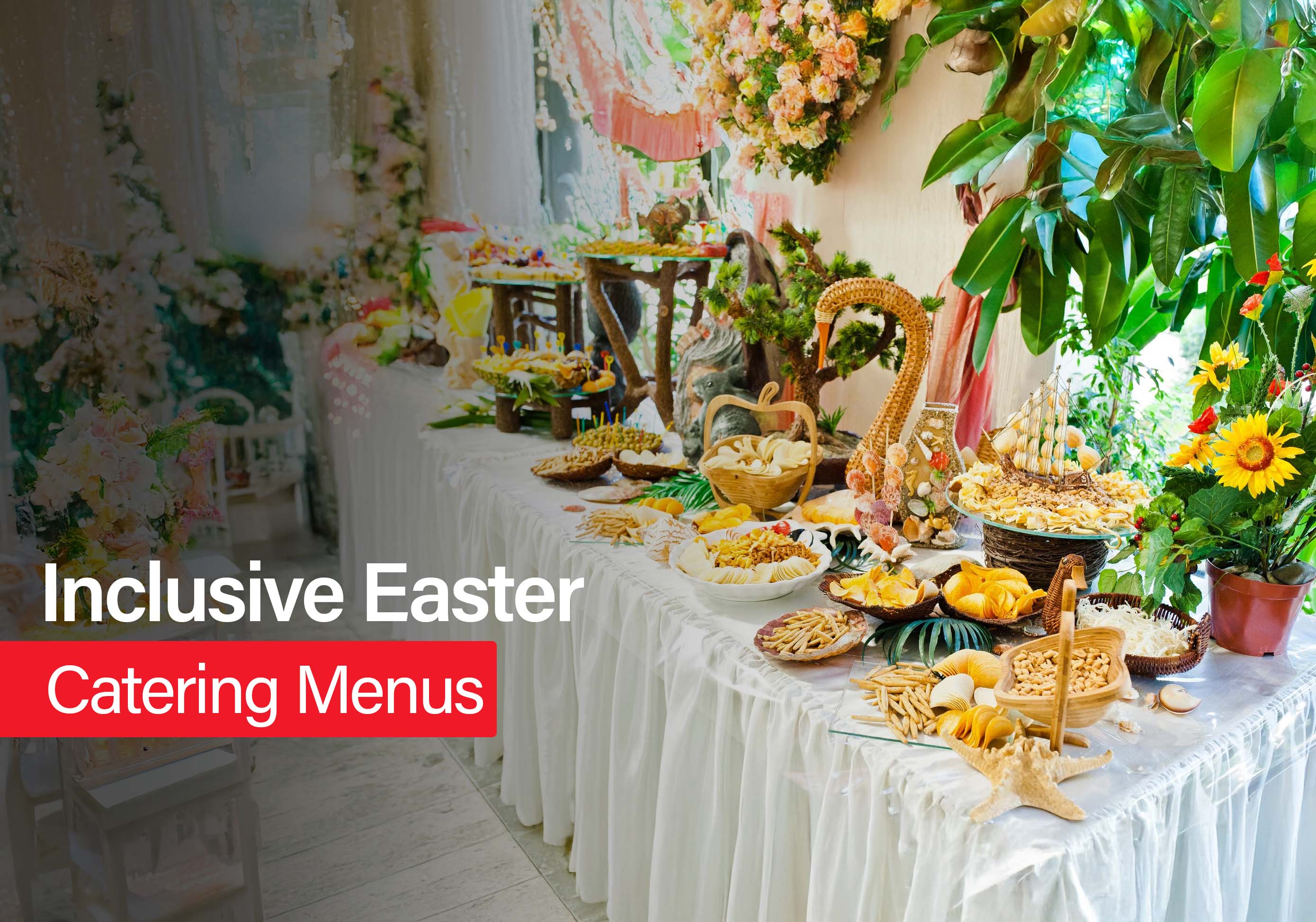
Inclusive Easter catering menus help every guest feel at home. They let people eat with confidence and see that their needs matter, no matter the reason. In the UK, workplaces need to plan Easter food that works for everyone. This includes food for halal, vegan, gluten free, and other needs, as well as options for those who like the usual favourites.
Why inclusive Easter menus matter
Inclusive Easter catering menus show respect for the different ways people in teams eat. Some people have their own cultural, religious, or medical needs about food. When menus are planned with care, everyone can join in. No one has to miss out or feel unsafe.
When you ignore what food people need, some get left out. They may even get hurt, especially if things like gluten or nuts are in the food. But, if the menu has clear labels and you pick recipes carefully, it helps everyone feel safe. They can sit back, enjoy, and think more about being with others than worry about what they should or should not eat.
Core dietary needs to plan for
Most office Easter events work well if you plan for a few main types of diets. These often are halal, vegan, gluten free, dairy free, and nut free. Some teams may need kosher or other food choices because of their beliefs.
If you know these needs early, it is easier to talk with a caterer, pick the right foods, and say if you want different platters or mix everything in the menu. Many UK catering companies now make menus that can fit many food needs. They do not wait to think of special diets later.
Designing halal‑friendly Easter catering menus
For guests who follow halal, it is important to get meat from the right source. How you cook the meat also matters. There should not be any mix-up with other foods. People must be careful with things like gelatine and some sauces, too. Some catering groups in the UK have full halal menus. They can also make halal food plates for mixed events if you tell them what you need before the day.
At Easter, halal‑friendly menus often have fish, vegetables, eggs, beans, and halal‑certified meats. These foods have clear labels and use different serving tools. If there is any wine or beer on the menu, there should also be non‑alcoholic choices. Soft drinks and mocktails should be in the office drink choices too.
Vegan and vegetarian options for Easter
Plant-based dishes are now a big part of many office events. These are not just for vegans. Vegetarians and flexitarians also like them. Caterers often give both vegan and vegetarian canapés, salads, hot mains, and desserts. Many say that these menus can also be changed to be gluten free or nut free if someone needs that.
For an Easter theme, some ideas are roast vegetable tarts, dairy free “cheesecakes”, stuffed peppers, mezze platters, and bright salads made with what's in season. When you serve vegan options with as much care as meat dishes, it helps people see them as normal. These platters are often the first ones people finish.
Gluten free and allergen‑aware planning
Gluten free catering is important for people in the team who have coeliac disease or can't have gluten. This means you need to do more than just leave out bread. In the UK, more business caterers offer menus just for gluten free food. They also label sandwiches, salads, and hot meals to help lower the risk.
For Easter, you can give food that is gluten free like rice salads, potato bakes, frittatas, and flourless desserts. Make sure not to mix gluten with other food when you get the dishes ready and serve them. If some people want their food without nuts, eggs, or dairy, do things the same way. Use a different area to get these special foods ready if you can. Place clear cards near the food to let people know about allergens on the buffet.
Structuring Easter catering across the workday
You do not have to keep Easter catering to just a lunch or a night party. Many places where people work now have events all day. They add breakfast office catering, themed lunches, and light events later in the day. This helps different people join in based on when they work.
A usual set-up might have a pastry and fruit table in the morning. There can be a bigger lunch spread or office lunch catering at midday. At the end of the day, people enjoy snacks and drinks before leaving. This way, it can help teams who work at different times, workers on shifts, and clients who come to the office at any hour.
Breakfast, brunch, and afternoon gatherings
Easter-themed breakfasts and brunches are loved by teams that want a laid-back get-together. Caterers can change pies, yogurt pots, fruit plates, and hot early meals to give vegan, gluten-free, and halal-friendly choices. These can often be added to the same spread.
An office brunch menu can have both brunch plates and some light canapés or salads. This way, people can eat a bit between meetings. They do not need to sit down for a big meal.
During the day, the office can enjoy afternoon tea catering for Easter. It is good to serve small finger sandwiches, mini scones, and small cakes. You can also plan for vegan and gluten-free choices in the menu.
Sweet treats, dessert canapés, and drinks
Easter is a festival that revolves around sweet elements, but it does not necessarily mean that the people with dietary restrictions have to be left out. Dessert canapés like mini vegan brownies, fruit skewers, flourless cakes and dairy-free mousses can provide the whole group with a treat that is luscious and at the same time not too difficult to digest.
In order to make the experience complete, alcoholic drinks served in the office should come along with non-alcoholic options retaining the occasion feeling that wine or beers do, like sparkling soft drinks, mocktails, and infused waters. Guests will not take much time and will be very sure about their choices if information is provided clearly about the drinks that are non-alcoholic or permissible for certain religions.
Practical planning tips for Easter catering menus
Good Easter catering menus start with the right information and clear talks. The people who set up the event need to get all food needs from guests when they sign up. Then, they should give this data to the caterer early. This helps make menus that fit what everyone needs.
It is advisable on the day to have clear labels. The employees must be capable of giving answers to the basic questions about food. Book some food trays for customers with special requirements. Lots of companies also examine what went right and what was left over. This provides them with guidance for the next party like a summer get-together or Christmas catering.
hnji
Frequently Asked Questions (FAQs)
How can we make sure our Easter menu is inclusive of halal, vegan, and gluten free guests?
Initially, you have to gather dietary preferences from your team or guest list and then opt for a catering
company that presents its menus with all dietary restrictions such as halal, vegan, vegetarian, gluten free,
dairy free, and nut free. Owen Brothers Catering has made the task even easier for you as they have already
created separate diet categories for plated canapés and larger corporate catering which will help you to put
together the Easter catering menus with various options that are suitable for all.
Can Easter catering work for breakfast meetings and morning events?
Definitely, Easter festivities could easily find their place in the breakfast and brunch-type office
occasions with the help of delicious pastries, colourful fruit platters, tasty morning bites, and hot or
cold drinks. Owen Brothers Catering provides nicely organized breakfast and snack menus that can be
Easter-themed but at the same time consider the religious observances of halal, vegan and gluten-free diets.
What types of canapés are suitable for an Easter office reception?
During Easter, the eye-catching, seasonal canapés made of fresh vegetables, fish, and delicately selected
meats with plant-based alternatives are the best choice. Besides, Owen Brothers presents a variety of
canapés, both in terms of savoury and sweet, that are very well-mannered in their indication of halal,
vegan, vegetarian, and gluten-free pieces so that the planners can easily make balanced trays for the
different dietary groups to mix.
Can we combine hot food with canapés for our Easter event?
The majority of the workplaces opt to merge a canape reception with hot bowls or buffet meals to obtain a
more copious Easter celebration which can even take the place of a complete meal. Menus consisting of
canapés and hot bowls and other kinds of food, like that of Owen Brothers, allow for the creation of a
layered event where people begin with canapés and move on to fuller plates with great ease.