Reorder Existing Orders


What to Look for in an Office Catering Company: A Complete Checklist
January 16, 2026
What to Look for in an Office Catering Company: A Complete Checklist
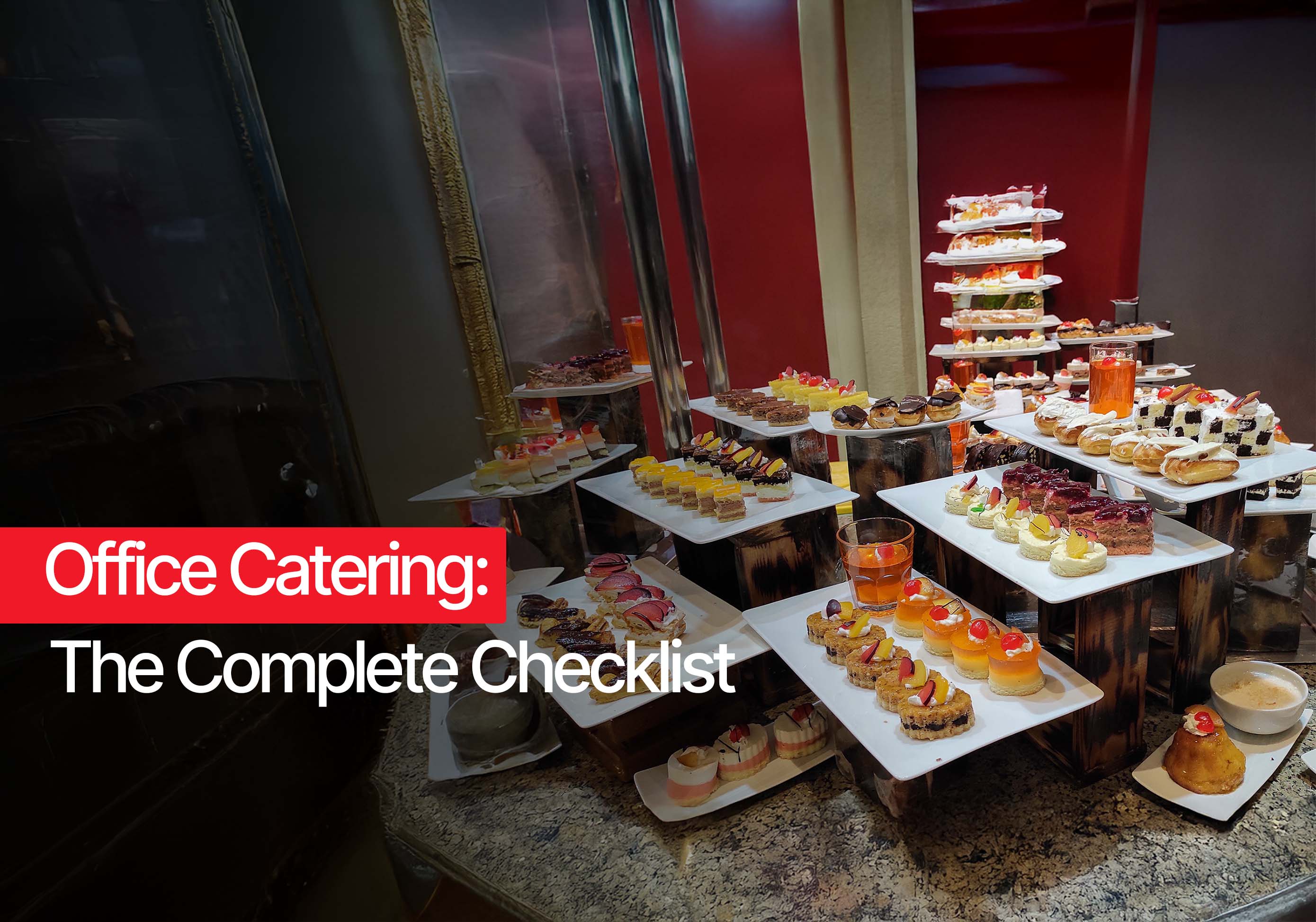
Giving your team a good office meal means planning well. You need to know what your group likes and work with a caterer who always brings good food and more choices. They should also act in a friendly and polite way. No matter if it's a meeting, a lunch at work, or a group event, picking the right caterer can shape your company’s culture. It also helps people work better and helps others see your company in a good way.
This Office Catering Complete Checklist gives UK businesses a clear guide to help pick the right catering partner. It talks about what to expect from them, how to pick a menu, what food needs people may have, how things will work, and what good food should look like.
1. Define Your Catering Requirements (Office Catering Complete Checklist)
Before you look at suppliers, make sure you know what you need from your office catering.
Event Type and Format:
First, find out if the catering is for a team lunch, a morning talk, an afternoon reception, or a special event. The reason for the event will help you plan the menu and how you give the food. Some events need people to sit down and eat. Other times, you may just drop food up and let people take as they wish.
Headcount and Frequency:
Estimate the number of guests and the frequency of orders. Maintaining a constant number of guests will aid the caterer in determining the needed amount of food. As a result, they will avoid having either too much or too little food.
Service Style:
Decide if you want only food delivery, need the team to set things up at your place, want servers and attendants, or just need to rent things like glassware and stands. Some caterers can also give you more help like letting you rent equipment and setting things up for your event or party.
2. Check the Menu Variety and Quality
Your catering partner’s menu should fit many tastes, needs, and events, and this part of the office catering complete checklist focuses on ensuring quality, variety, and flexibility across all meal types.
Breakfast Selection:
A proper breakfast allows the team to have a good start and prepares them for the first meetings or work. It is advisable to choose new and delicious food. A variety of hot breakfasts, pastries, and healthy options can be provided along with drinks that energize people in the morning.
Office Lunch Catering Options:
When you plan meals for your team, it’s good to have many options. Office lunch catering should have healthy boxed lunches. It should also give you both hot and cold buffets, sharing platters, salads for one person, and working lunch menus. All of these can help you work better during the day and keep the food tasting good.
Flexibility for Office Brunch Menu:
In case your program is scheduled for the latter part of the morning or early afternoon, you can choose an office brunch menu. Try to offer a variety of dishes from both breakfast and lunch. They suit a relaxed yet professional atmosphere.
Office Afternoon Tea Catering:
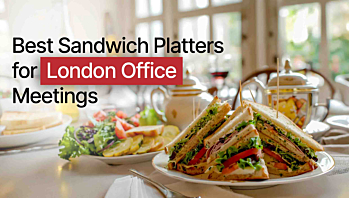
Afternoon finger sandwiches, scones with jams and cream, brownies, and light cakes can be a lovely diversion or an accompaniment to team meetings.
Dessert Canapes:
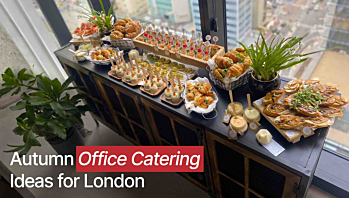
Making use of dessert canapes to crown an office event spectacularly, such as client gathering or networking time, is an excellent idea. They will not only beautify the room but also add pleasant flavours to it. You don’t need to be concerned about the hard work and mess that go with the big dessert, as canapes are easy to serve and create a tranquil atmosphere for everyone.
Office Drinks:
Make sure to offer a good mix of drinks. Bring in some soft drinks, juices, tea, and coffee. If your event will have drinks like wine or beer, check that people serve these in a safe way and choose well.
3. Assess Dietary Accommodations
Inclusive catering helps people feel happy. It also shows respect for many needs. Look for options that cover:
- Vegetarian and Vegan Dishes
- Gluten-Free and Allergen-Friendly Choices
- Halal and Special Dietary Menus
When you work with a caterer who clearly shows the ingredients and helps with food restrictions, you avoid any big problems and make sure all your guests feel good and welcome. Many professional caterers can change the menu for any food need if you ask.
4. Review Ordering Flexibility and Delivery Logistics
Ordering Window:
Know when you need to place your orders. The best caterers let you know how early you have to order. Most of the time, you need to order one or two days before for normal orders. Big events will often need more time. This helps make sure they have what you want.
Delivery Reliability:
Make sure your caterer uses boxes that keep food hot or cold. The caterer should give you a way to track your delivery, or let you know when the food will get there, so you know it will come fresh and on time. People who work in your area or have their own trucks are often more trusted.
Service During Peak Times:
If you need weekend or late deliveries, ask if these can be done and find out what extra fees there are. This kind of flexibility can be important when it gets busy.
5. Evaluate Presentation and Professionalism
The way a catering provider looks and the quality of what they do changes the impression you make on guests and clients.
Food Presentation:
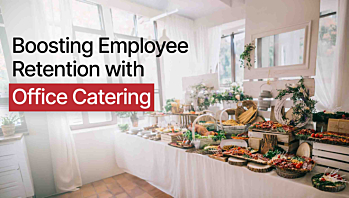
Menus with plated canapes, nice sharing boards, and good plating help make the room look nice. Things like plated canapes or big selections can make the whole thing feel better than simple buffets.
Service Staff:
Ask if there are trained people who can help with setup, serving food, and cleaning up. Good help makes the guest experience better. It also makes things easier for your team when they are planning and doing the event.
Equipment and Furnishings:
Check if the caterer can give you things like glassware, serving utensils, and display stands. These should come with your order or be something you can rent.
6. Measure Reliability Through Reviews and Referrals
Client Testimonials:
Check out the reviews of companies that are similar in size or offer the same type of event. Reviews regarding punctuality, quality of food, response time, and problem solving can be a good indication of a caterer's reliability.
Industry Recognition:
Providers known for great office catering and who often get awards or have worked in the field for many years, usually give better and more steady service.
7. Determine Value and Budget Alignment
Price matters, but value is even more important. Think about this:
Transparency of Pricing:
Make sure the quote shows all fees and has no hidden costs.
Quality vs Cost:
Look at the food quality, how much you get, how you are treated, and how fast it comes. Then, see if the price matches with what you get to know the real value.
Package Options:
Some caterers do offer package deals if you are a regular customer or order more than one type of service, for example, together with lunch breakfast. This can be a way for you to save money.
8. Confirm Contract Terms and Service Guarantees
Before committing:
Discuss the agreement conditions, and also discuss the cancellation procedure, the promises regarding the delivery, the consequences of errors, and the sanitation regulations for food.
Inquire the staff regarding their procedure towards the latest modifications, such as an increase or decrease in the guest count or a request for a change in the menu items.
A clear contract shows that you are professional. It also helps keep both people safe.
Following this final step of the office catering complete checklist ensures there are no surprises and that both parties are aligned before the service begins.
Frequently Asked Questions (FAQs)
What should an office catering checklist include?
An office catering complete checklist must include menu variety, dietary options, service style, order
flexibility, delivery logistics, pricing transparency, reliability of service, and client support. By giving
priority to these areas, everybody involved will have a catering experience that is very smooth and
perfectly adapted to your business needs.
How do I choose the right menu for office catering?
The first thing you should do is identify the goal of the event. In case of regular team lunches, mixed
meals and traditional choices are the ones that work the best. For morning discussions, light breakfasts or
an office brunch menu can really help to keep the attention of the participants. In the case of afternoon
activities, they can be supported by lighter bites or even tea for the office in the afternoon. Dessert
canapes for formal receptions are a nice way to raise the experience. Do not forget about vegetarian, vegan,
and allergen-friendly options!
Can office catering handle dietary restrictions?
Absolutely! The best office caterers will provide and mark clearly dietary alternatives, gluten-free, vegan,
halal, and nut-free, with no exceptions. Always inform the restaurant of all restrictions while placing
orders to avoid any accidents.
What service levels should I expect from a caterer?
Different service levels are available. As a basic, get dependable food delivery having correct temperature,
good packing, and being ready to eat. The most extensive options consist of equipment rental, catering
staff, event teardown, and on-site setting up.
What role does presentation play in catering?
Guest perception is greatly influenced by presentation, and it is the case for client-facing events. The
quality of the food is greatly perceived due to nicely plated canapes, well-arranged buffets, and beautiful
displays. Moreover, at corporate functions, an appropriate presentation can be a sign of business-like
behaviour.